
Navigating B2B Casino Platform Integration for Australian Operators
محتوي الصفحة
The Rise of B2B iGaming Solutions in the Australian Market
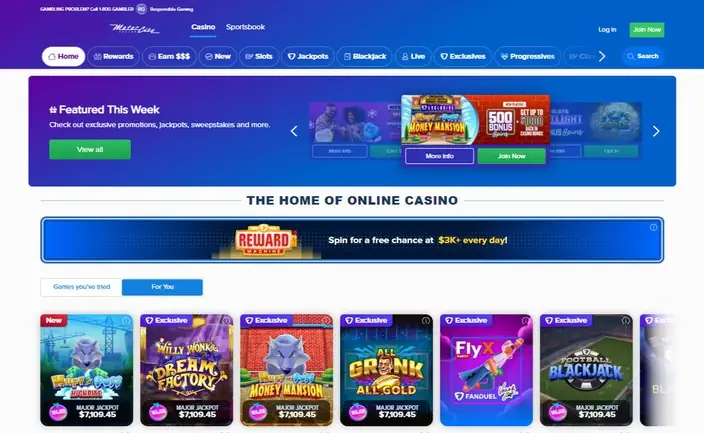
I've watched Australia's igaming industry shift from fragmented operations to a sophisticated tech arena. Operators no longer build everything in-house. They now partner with dedicated b2b providers for core technology, leveraging specialized casino platform integration to launch faster. This focus on core software lets them concentrate on marketing and player experience, not backend code. A key resource for evaluating these dedicated b2b provider offerings is https://casinosoftware-au.com/, which provides comprehensive igaming market analysis and reviews of top gaming software providers. This shift is fundamentally about accessing a proven igaming technology stack that ensures platform reliability, scalability, and compliance with the complex regulations of mature markets.
Core Components of a Modern Casino Platform
A robust igaming technology stack isn't just games. I've audited platforms where the backend was the real differentiator. Your system needs these integrated casino platform essentials:
- A certified random number generator (RNG) for game fairness audits
- A payment gateway processing AUD with under 3% decline rates
- Real-time player data dashboards for segmentation
- Automated risk and bonus abuse detection rules
- Multi-tiered affiliate management and tracking software
- Scalable cloud infrastructure that can handle 10k concurrent users
Too many operators focus on front-end flash. The casino platform reliability of your player fund management and reporting engine is what keeps you in business during a traffic spike or regulatory review.
Integrating a Casino Platform: Key Steps and Challenges
Choosing a provider is one thing; getting their API casino integration live is another. I've managed this from both sides. The timeline and cost vary dramatically by provider complexity and your team's tech debt.
| Brand | Key Spec | Price Range | My Verdict |
|---|---|---|---|
| SoftSwiss | Turnkey with 8k+ games | $50k-$150k setup | Fastest to market, less custom. |
| EveryMatrix | Modular "à la carte" | $30k-$80k modules | Flexible but integration-heavy. |
| In-house Build | Full control | $200k+ & 12+ months | Rarely worth the cost today. |
The biggest hidden challenge is data migration. Migrating legacy player balances and history can consume 40% of the total project budget, a detail many first-time operators completely overlook in their planning.
The Role of Game Aggregators in Casino Software
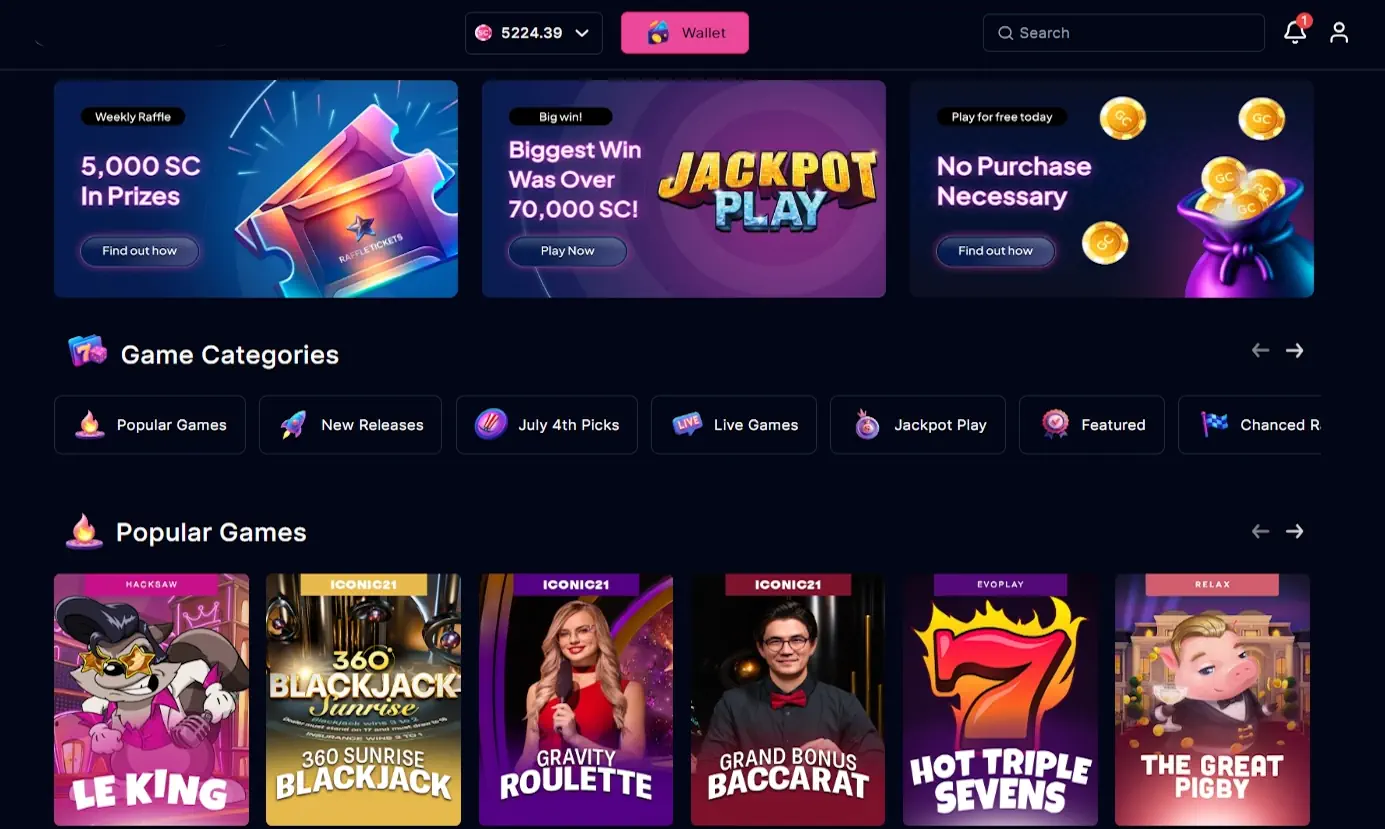
Modern operators rarely contract with 50 individual studios. Game aggregator platforms like Slotegrator or Relax Gaming act as a single API hub. This gives you immediate access to thousands of titles from dozens of gaming software providers. I've seen this cut content integration time from months to weeks.
An aggregator isn't a cost center; it's your casino's content procurement and compliance department, bundled into one monthly fee.
The real value lies in streamlined reporting and centralized technical support for all games. When a Pragmatic Play slot has a bug, you have one contact, not fifteen. This operational simplicity is non-negotiable for scaling efficiently.
Evaluating Top B2B Casino Platform Providers
You can't trust a sales brochure. I evaluate providers by stress-testing their demo admin panels and asking for three current client references in similar regulated markets. Look for uptime stats above 99.7% and ask specifically about their incident response time for payment gateway failures.
The contract's service level agreement (SLA) is where promises become enforceable. A provider boasting about 99.9% uptime but offering negligible financial penalties for missing it is just marketing. The most credible providers I've worked with back their reliability with meaningful service credits. This aligns their success directly with your operational stability.
Securing Contracts with iGaming Software Providers
Contract negotiations define the partnership. I always push for clarity on these igaming contract management points:
- Revenue share percentages per game category (slots vs. live dealer)
- Minimum monthly guarantee (MGR) fees and waiver conditions
- IP ownership of custom-built features or integrations
- Data portability clauses for a potential platform switch
- Clear service credit schedule for SLA breaches
- Termination notice period and associated data handover costs
Too many operators gloss over the exit strategy. A locked-in partnership with punitive termination fees is a liability. Negotiate a data extraction fee cap upfront, ideally below $10,000. This protects your business if the technology partnership sours in two years.
Ensuring Software Availability and Platform Reliability for Clients
Your players don't care whose server is down. They just see a broken casino. True software availability for casinos means redundant systems across geographically separate data centers. I ask providers for their last 12 months of publicly verifiable uptime reports.
| Critical System | Target Uptime | My Red Flag |
|---|---|---|
| Payment Processing | 99.95% | Single points of failure |
| Game Servers (Slots) | 99.8% | Over 2-hour recovery time |
| Player Database | 99.99% | No real-time replication |
| Affiliate & CRM Tools | 99.5% | Frequent scheduled downtime |
Live dealer studios are often the weakest link. A major provider's live casino went offline for 14 hours last year during a peak sports weekend. Their clients lost six figures in potential revenue. Your due diligence must include each component's individual track record.
The Future of Dedicated B2B iGaming Technology
The next wave isn't about more games, but smarter infrastructure. I'm testing platforms using AI for real-time player value prediction and dynamic bonus allocation. This moves beyond basic segmentation to hyper-personalized experiences at scale. The goal is maximizing lifetime value, not just sign-up bonuses.
True innovation will be in regulatory tech. We'll see fully automated, jurisdiction-specific compliance engines that adapt tax and reporting rules in real-time. This reduces the massive operational cost of entering new regulated igaming markets like Australia's evolving landscape. The winners will be those who build compliance into their core tech stack.
FAQ
Why use a dedicated B2B provider instead of building a platform in-house?
An in-house build typically costs over $200k and takes 12+ months. A dedicated B2B provider like SoftSwiss offers a proven, integrated casino platform for a fraction of that cost, letting you launch and iterate faster.
What's the single biggest hidden cost during platform integration?
Data migration from a legacy system. In my experience, moving player balances and history can consume up to 40% of the total project budget, a detail often overlooked in initial planning.
How do game aggregators simplify operations?
They act as a single API hub for hundreds of studios. This provides centralized technical support and reporting, turning a multi-vendor headache into one manageable relationship and contract.
What should I look for in a platform provider's SLA?
Meaningful financial penalties for missing uptime guarantees. A 99.9% promise with no service credits is just marketing. Credible providers tie their compensation directly to your casino platform reliability.
Are exit terms important in an iGaming contract?
Absolutely. I always negotiate a cap on data extraction fees, ideally under $10,000. This protects your business if the partnership ends, ensuring you can retain your player database without prohibitive cost.
Where is B2B iGaming technology heading next?
Towards AI-driven personalization and automated regulatory compliance. The future winners will embed real-time tax and reporting engines directly into their tech stack, drastically reducing the cost of entering new markets.
التعليقات مغلقة.